The Ultimate Guide to Preparing Your Trees for Winter Dec 25, 2025
To start, assessing the current condition of your trees is crucial. Inspect your trees for any signs of disease or pest infestations. Fungal growths, unusual swelling, or insect activity can weaken trees, making them more susceptible to the stresses of winter. Addressing these issues now, perhaps with the help of a professional tree service company like Backwoods Tree Experts, can prevent further damage during the colder months.
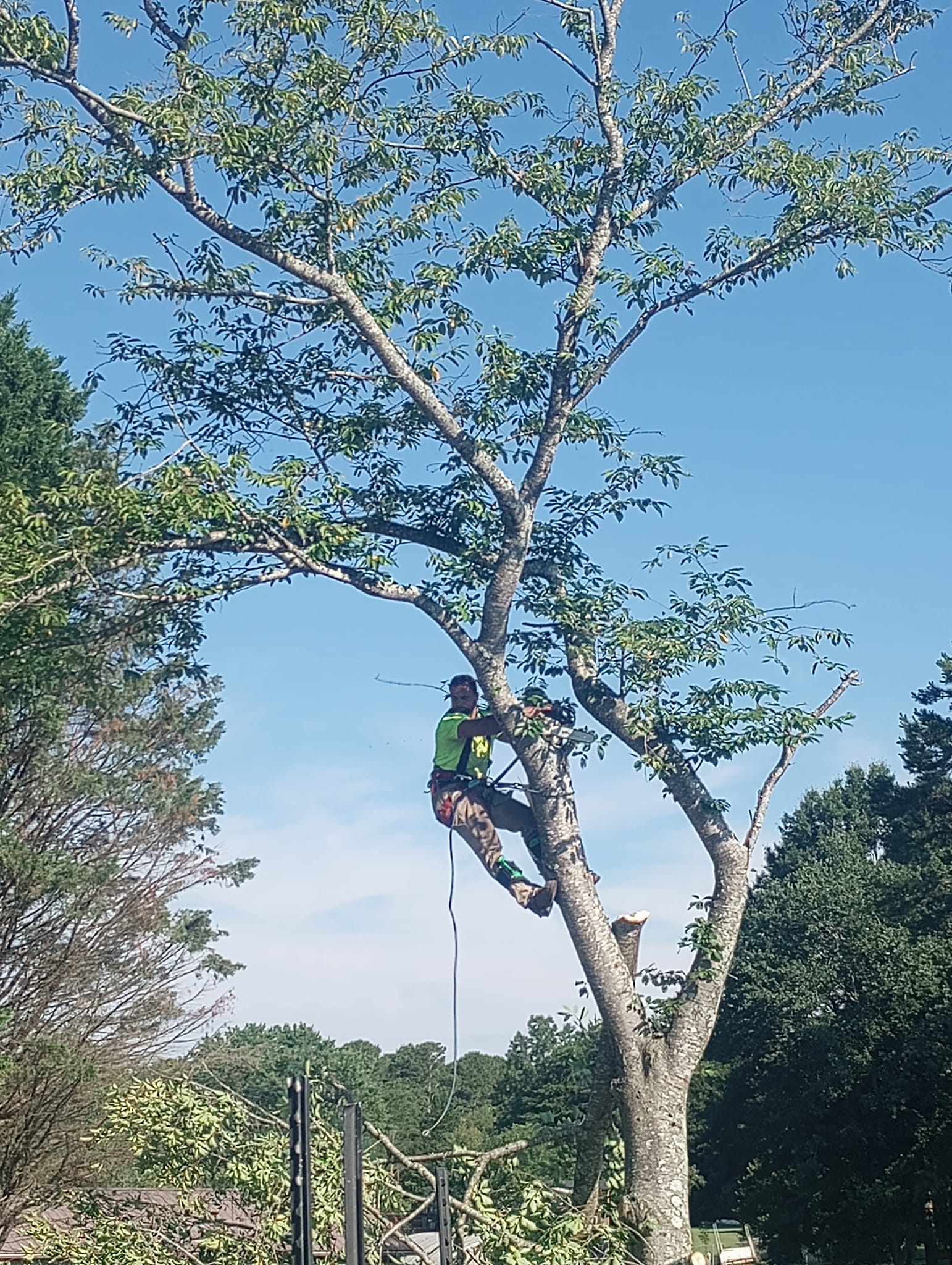
Next, consider pruning your trees. Proper pruning is vital not only for maintaining the shape and size of your trees but also for removing any dead or weakened branches that could break under the weight of snow and ice. Efficient pruning enhances air circulation and light penetration, supporting the tree's overall health. However, it's important to prune before the harshest temperatures arrive to avoid additional stress to the trees.
Mulching is another effective strategy to protect your trees throughout the winter. By applying a layer of organic mulch, you can insulate the soil, helping to retain moisture and regulate temperature around the tree's roots. Spread mulch evenly around the base of each tree, but avoid piling it up against the trunk to prevent rot and pests.
Don't overlook the importance of watering. While it might seem that trees require less water in winter, ensuring they are well-hydrated before the ground freezes is crucial. Deep watering in the late fall will help your trees bank enough moisture to sustain them during dry winter periods. When the earth is frozen, any chances of water reaching tree roots are minimal, so it's best to address this need beforehand.
Additionally, consider protective measures like wrapping young trees. Newly planted or young trees are particularly vulnerable, as they have not yet developed the hardiness of mature specimens. Wrap the trunks of your trees with burlap or specialized tree wrap to shield them from harsh winds and fluctuating temperatures that cause winter burn.
Fertilizing in late fall can also be beneficial. A slow-release fertilizer can provide vital nutrients your trees need to develop strong roots. Nutrients released gradually give your trees an early advantage when spring brings new growth. However, make sure not to fertilize past the leaf drop, as this can stimulate unwelcome new growth that's vulnerable to frost.
As you listen to the crisp rustle of leaves and feel the drop in temperature, remember that the care you provide your trees now acts as a foundation for their resilience. By following these tips from Backwoods Tree Experts, you're ensuring that your trees will not only survive but thrive during winter, ready to blossom in all their glory once again when warmth returns.
In closing, taking the time to prepare your trees for winter is an investment in their health and beauty. Proper preparation not only guards against the winter's trials but also paves the way for lush growth when spring arrives. For those needing additional assistance, Backwoods Tree Experts is always ready to provide knowledgeable and professional tree care services, ensuring your greenery receives the best care possible during every season.
/filters:no_upscale()/filters:format(webp)/media/3f2ac6bc-465f-4a13-a642-8c75650f40d8.jpeg)